
World of Warcraft’s economy has changed dramatically since its launch. From simple vendor-based transactions in Classic to a thriving Auction House economy and the introduction of the WoW Token, gold has taken on new importance in every expansion. Whether you’re a long-time player or a newcomer trying to understand the market, let’s take a look at how WoW’s economy has evolved over the years.
The Early Days: A Simple, Player-Driven Market
Back in Classic WoW, gold was much harder to come by, and many players struggled to afford their first mount. The economy was primarily driven by farming materials, crafting, and direct player-to-player trading. The Auction House existed but was much less active compared to modern WoW.
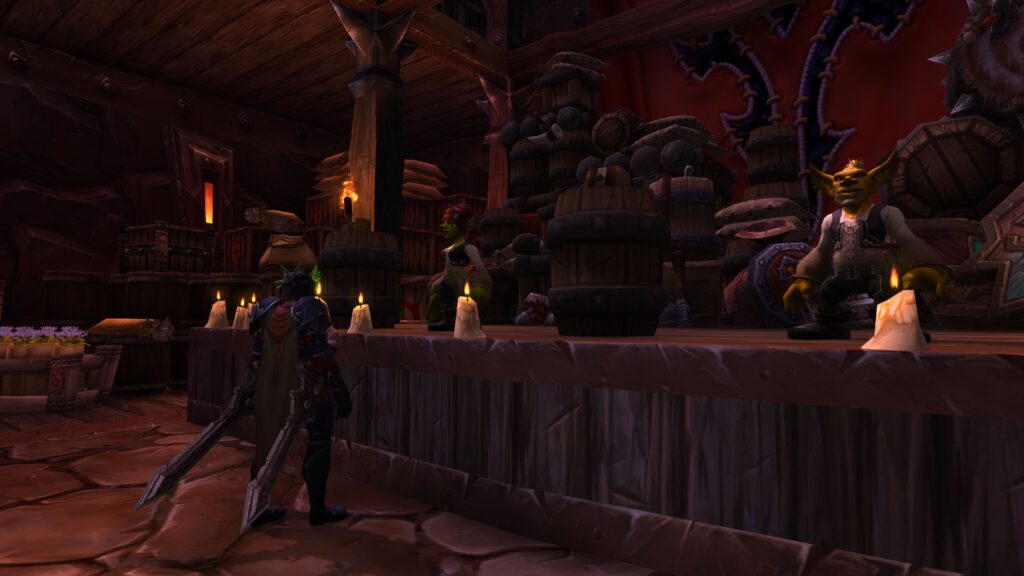
Back then, high-value items like epic gear and rare crafting materials were traded directly in major cities like Ironforge and Orgrimmar. Players often gathered in Trade Chat to sell their goods, and scams were far more common due to the lack of safeguards.
Inflation and the Rise of the Auction House
As WoW expanded, gold became more abundant, and the Auction House became the main hub for trading. The introduction of daily quests in The Burning Crusade and Wrath of the Lich King gave players reliable sources of income, leading to higher prices on the market.

By Cataclysm, gold inflation had become a serious issue. Players could make far more gold than before, which led to items like mounts, pets, and rare gear fetching enormous sums. The game also introduced more vendor gold sinks, such as expensive mounts, to help control inflation.
The WoW Token and the Shift to Real-World Value
One of the biggest shifts in WoW’s economy came with the introduction of the WoW Token in Warlords of Draenor. This system allowed players to buy in-game gold with real money, stabilizing the economy in some ways but also creating a more direct link between real-world currency and in-game wealth.
The Token has had a lasting impact on the economy. It allowed players to fund their subscriptions with in-game gold, but it also contributed to market fluctuations. When major patches or expansions launch, demand for gold rises, causing the Token price to spike. Conversely, during content droughts, prices drop as fewer players are actively spending gold.
Modern Trends: Hyperinflation and Gold Farming
Today, WoW’s economy is more inflated than ever. Players can make millions of gold through a combination of crafting, flipping items on the Auction House, and farming rare materials. However, this also means that high-ticket items, such as rare mounts and crafted gear, can cost absurdly high amounts.
Gold farming methods have also evolved. While raw gold farming through dungeons has been nerfed over time, players can still make a fortune by selling Mythic+ carries, raid boosts, or even investing in high-demand crafting professions.
Conclusion
WoW’s economy has gone through incredible changes, from the early days of struggling to afford a mount to modern hyperinflation and real-money gold trading. While the Auction House remains the backbone of trade, new systems like the WoW Token have reshaped how gold is earned and spent. Understanding these trends can help players navigate the economy more effectively, whether they’re trying to make gold or simply avoid overspending.
Home