
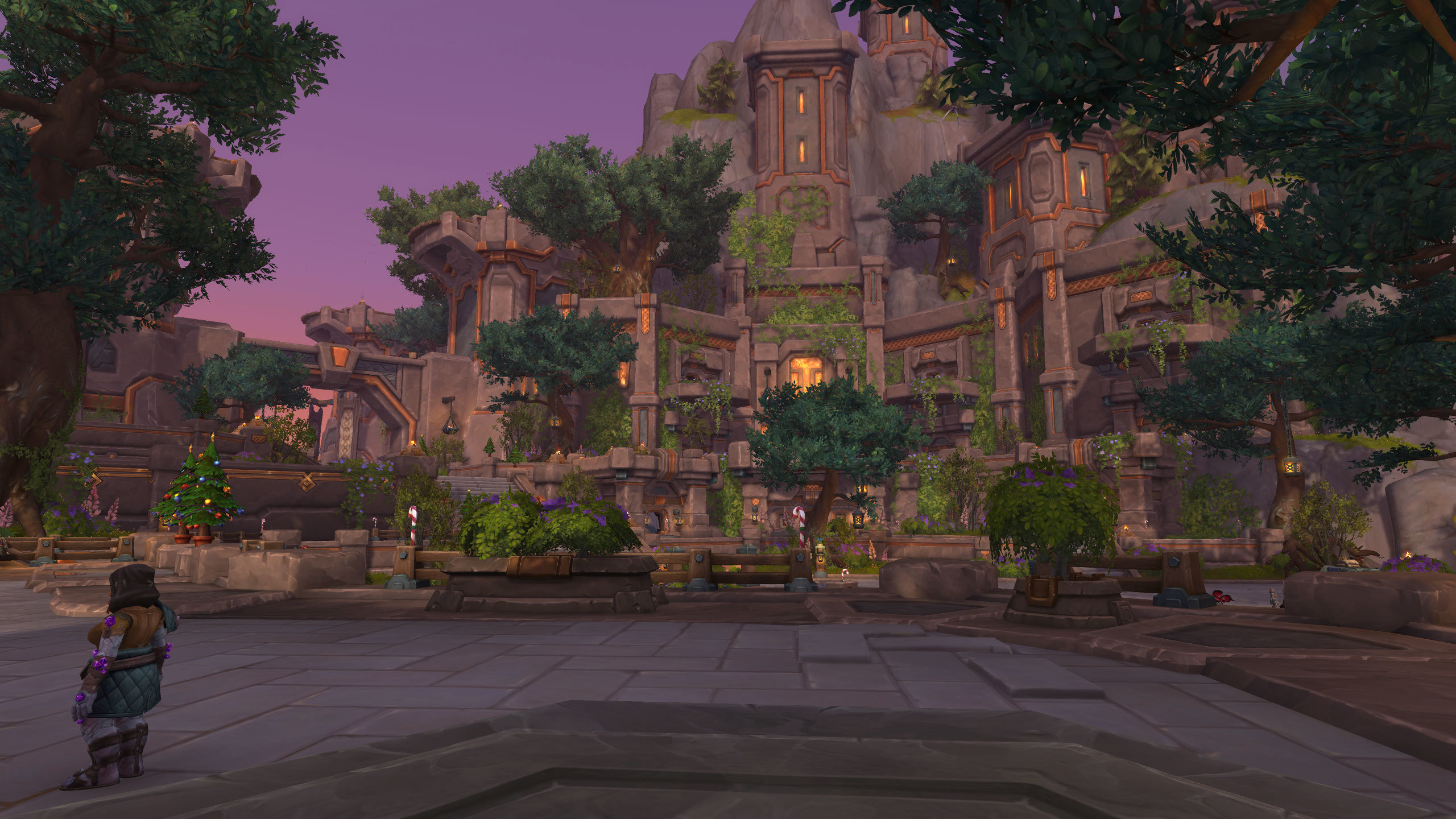
Endgame progression is no longer confined to dungeons and raids alone. Expanding open-world activities provide meaningful advancement paths that complement instanced content instead of merely filling downtime.
This shift reshapes how players structure their endgame routines.
The Limits of Instance-Only Endgame
When all progression funnels through instances, schedules become rigid and pressure builds around group availability.
Open-world options relieve that bottleneck.
Meaningful Rewards Outside Instances
Modern open-world systems offer gear, currencies, upgrades, and cosmetics that contribute directly to character power or long-term goals.
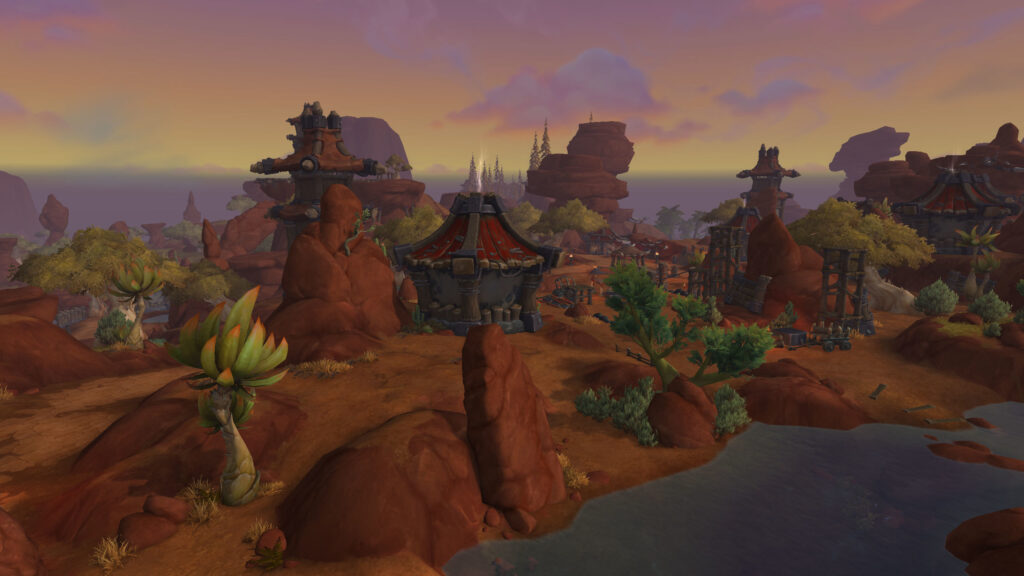
Participation feels worthwhile rather than supplemental.
Endgame Activities That Stand on Their Own
Several open-world formats now function as true endgame.
- Large-scale events with scaling difficulty
- Weekly progression objectives
- Exploration-based challenges and secrets
- Reputation-driven power unlocks
Each offers progress without instance queues.
Flexible Play Without Progress Loss
Open-world endgame allows players to advance on their own schedule. Short sessions remain productive, reducing reliance on fixed group times.
This flexibility supports long-term engagement.
Complementing, Not Replacing, Instances
Rather than competing with raids or dungeons, open-world systems support them. Players arrive better prepared and less burned out.
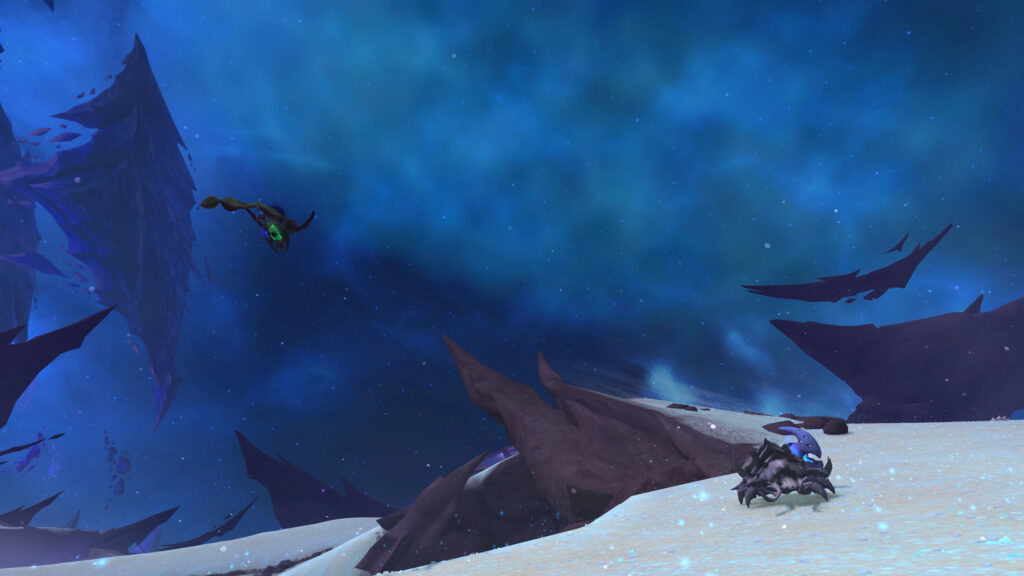
Balance between modes strengthens the ecosystem.
Conclusion
Open-world endgame activities reduce reliance on instanced content by providing flexible, meaningful progression paths. By broadening where advancement happens, the endgame becomes more accessible, sustainable, and engaging.