
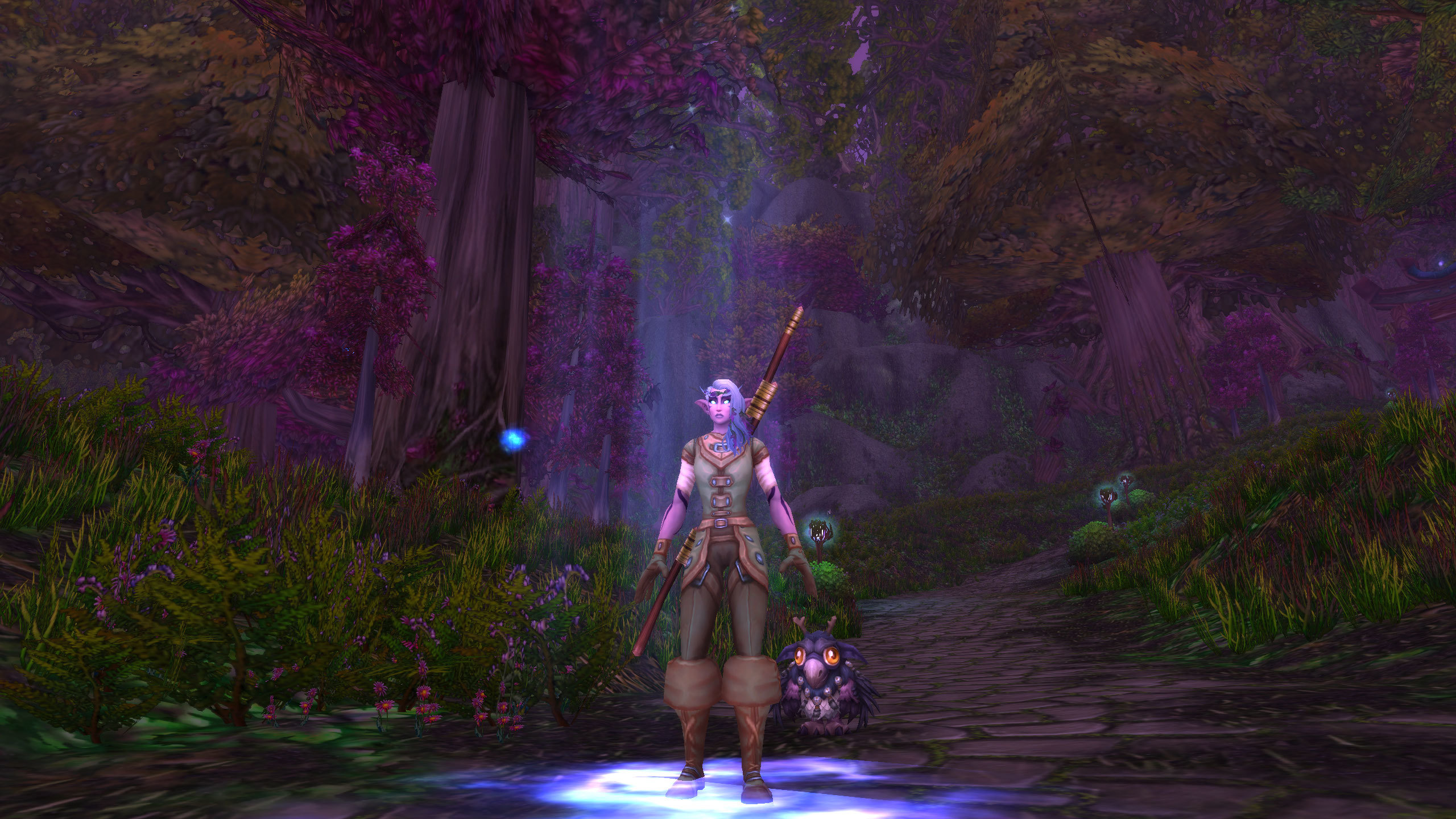
Fishing, cooking, archaeology, and first aid have always existed on the edge of WoW’s core gameplay. They’re not required for Mythic progression or raiding success, and yet they have some of the most passionate communities in the game. While combat professions deliver power and profit, secondary professions create something different: serenity, identity, nostalgia, world connection, and unpredictable rewards. They represent a quieter side of Warcraft, one that resonates deeply with players who enjoy the game for more than just combat.
This article dives into why these professions maintain such a strong cult following, how their systems evolved, and why they continue to be beloved despite—perhaps because of—their slow, meditative pace.
The Peaceful Rhythm That No Other Activity Provides
Fishing remains one of the purest examples of slow gameplay in WoW. No timers, no pressure, no combat rotation—just the sound of water, distant environmental ambience, and the anticipation of every cast. It taps into the kind of quiet escapism few MMOs offer. Players fish not just for rewards, but for atmosphere. Locations like Grizzly Hills, Shadowmoon Valley, and the Azure Span become personal retreats.
In a game defined by rapid dungeon pacing and intense raid mechanics, fishing represents an intentional exhale—a way to exist in the world rather than fight it.
The Thrill of the Unexpected
Secondary professions deliver emotional highs in ways players don’t expect. Fishing might produce a rare mount, a unique pet, or a legendary item like the Underlight Angler. Archaeology can reveal priceless artifacts, toys, and cosmetics tied to ancient lore. Even cooking has surprising power spikes, exclusive feasts, and whimsical recipes that become guild traditions.
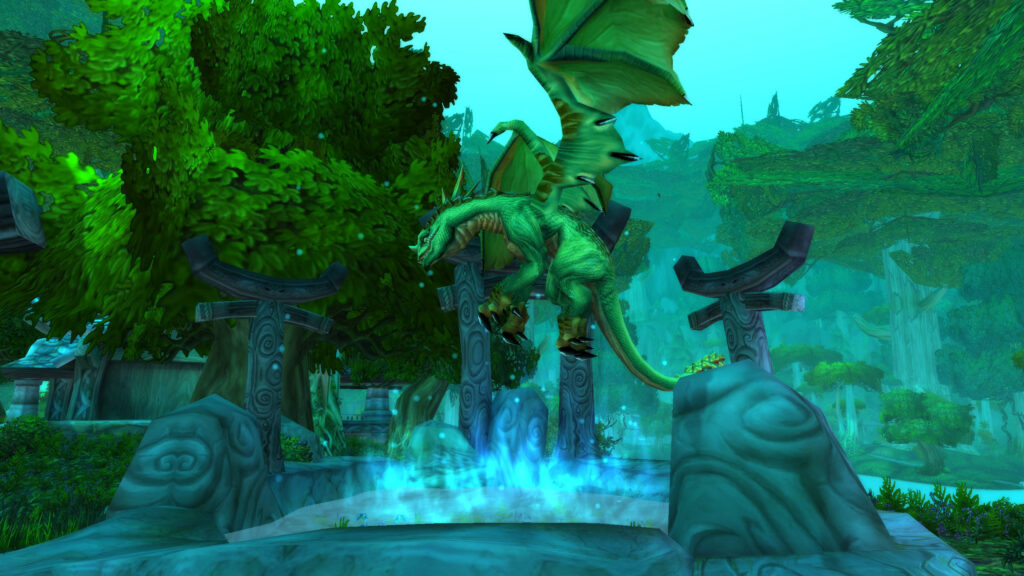
These professions succeed because randomness feels rewarding rather than punishing—the surprise is the point.
- Rare catches that trigger excitement after hours of calm.
- Hidden artifacts that expand worldbuilding.
- Seasonal recipes that become guild rituals.
- Unique pets and cosmetics obtainable nowhere else.
- Personal progression that doesn’t depend on gear score.
The Community That Built Itself
Few areas of WoW have as tight-knit a community as fishing. Players gather at pools together, form fishing guilds, share rare catch screenshots, and host in-game derbies. The Stranglethorn Fishing Extravaganza remains one of the longest-running events in Warcraft, showing how player enthusiasm turned a simple system into a weekly tradition.
Archaeology circles, Discord groups, and roleplayers embrace these secondary professions as part of their identity. A fisherman, a cook, or an explorer can be as recognizable as a raider or Mythic+ pusher.
The Nostalgia Factor
For many players, secondary professions recall early days in WoW when everything felt new. Standing by a quiet lake in Elwynn Forest, cooking a batch of Savory Deviate Delight, or digging up artifacts in Uldum all evoke memories of slower, simpler times. Secondary professions preserve that early spirit—a reminder that Azeroth is a place to inhabit, not just a battlefield.
This emotional anchor is one reason players return to these activities expansion after expansion.
Cooking: The Social Side of Secondary Skills
Cooking is more than a profession—it’s a shared cultural ritual. Feasts bring raids together. Specialty dishes become memes or guild running jokes. Expansion-specific foods often become shorthand for entire eras of play. There’s something uniquely communal about placing a feast and watching everyone gather around it, even if only for a moment.
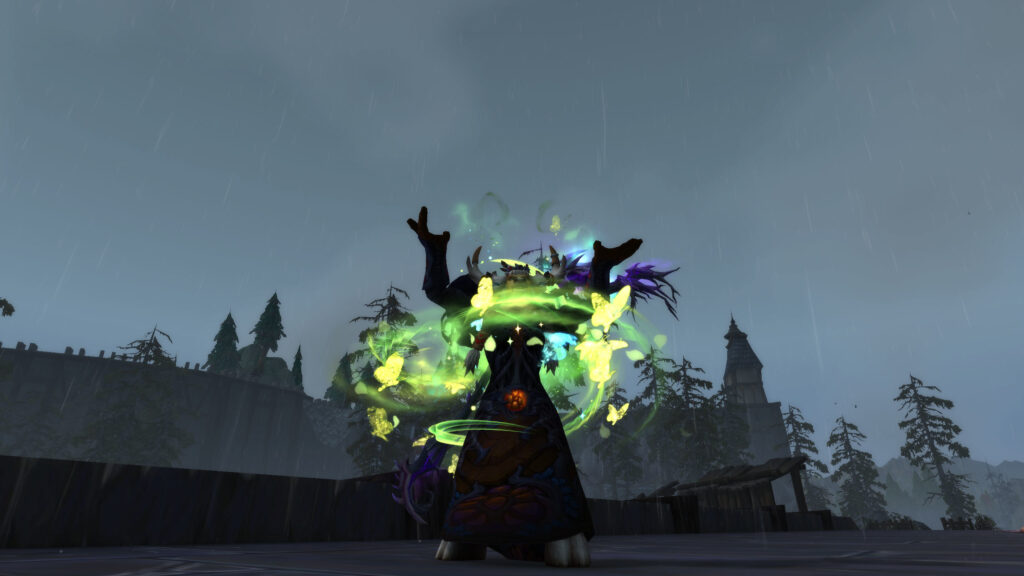
This social cohesion gives cooking a narrative quality few other professions can replicate.
Archaeology and the Joy of Discovery
Archaeology often feels like a game within the game. Players traverse continents, follow digsite patterns, and uncover artifacts tied to lore spanning thousands of years. Each discovery connects players to the deep history of the world—titan relics, Tol’vir sculptures, highborne tools, or Zandalari idols.
Despite its slow pace, archaeology provides one of the richest forms of worldbuilding, making it a favorite among lore enthusiasts.
Collecting as a Playstyle
Fishing, cooking, and archaeology all appeal to collectors—players who find satisfaction not in climbing leaderboards, but in filling bags, journals, and achievement panels. Each profession includes rare items, achievements, vanity rewards, and long-term goals designed to feed this collecting instinct.
For collectors, progress is measured not in item level but in memories and gallery entries.
The Underlight Angler: A Turning Point
The Legion artifact fishing pole was a watershed moment. For the first time, Blizzard treated fishing as a full-fledged progression path, complete with traits, quests, and unique abilities. Players still regard the Underlight Angler as a symbol of dedication and community pride. It showed that even the most peaceful activities can have deep mechanical engagement.
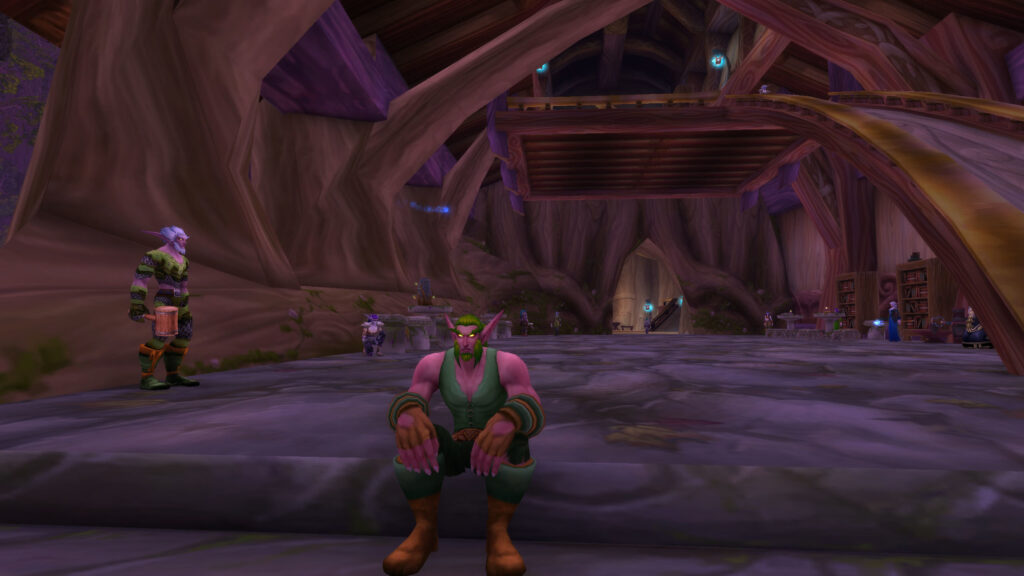
It remains one of the most beloved fishing rewards ever created.
Why These Professions Matter More Than Players Realize
Secondary professions enrich Azeroth in ways core gameplay cannot. They provide atmosphere, emotional grounding, and alternative progression. They give players reasons to revisit old zones, spend time in peaceful environments, and interact with the world at a slower pace. They create opportunities for social traditions, guild jokes, and shared accomplishments that feel organic and personal.
Without these professions, the world would feel emptier, less lived-in, and less human.
Conclusion
Fishing, cooking, and other secondary professions have a cult following because they represent the heart of WoW: connection, exploration, relaxation, and community. They turn downtime into meaningful play and transform small moments into lasting memories. While raid tiers, Mythic+ keys, and PvP seasons dominate the headlines, these quiet activities remain essential threads in the tapestry of Azeroth.
They remind players that the best moments in WoW aren’t always battles—they’re the peaceful ones between them.